JIM WU
PhD, Biochemistry, University of Toronto, 2025
I’ve always been fascinated by how biological systems, from molecules to cells, organize and coordinate to achieve complex tasks. During my doctoral work in the Grinstein and Freeman labs at the University of Toronto and the Hospital for Sick Children, I sought to elucidate the underlying mechanisms that enable macrophage function and their striking ability to rapidly and efficiently degrade particulate matter. In this pursuit, I determined a previously underappreciated role for chloride within the degradative organelles of macrophages, elucidating a role for the chloride proton exchanger ClC-7 in driving high phagosomal chloride, which is required for the activity of select luminal hydrolases. Further, with the help of talented collaborators, we were able to define the underlying logic that regulates these ion transport mechanisms: a phosphoinositide signalling pathway that evolves as the organelles form and mature into degradative lysosomes.
These questions and research directions have naturally led me to immunology, where I am interested in understanding the organizational principles that govern immune cell function on a tissue scale. As a joint postdoctoral fellow in the Littman lab and the Wong lab at the Ragon Institute of Mass General Brigham, MIT, and Harvard, I am particularly interested in how innocuous and harmful non-self antigens in the gut (i.e. food/commensal versus pathogens) are interpreted by the immune system to elicit both tolerogenic and inflammatory outcomes independently to support host homeostasis and immune readiness.
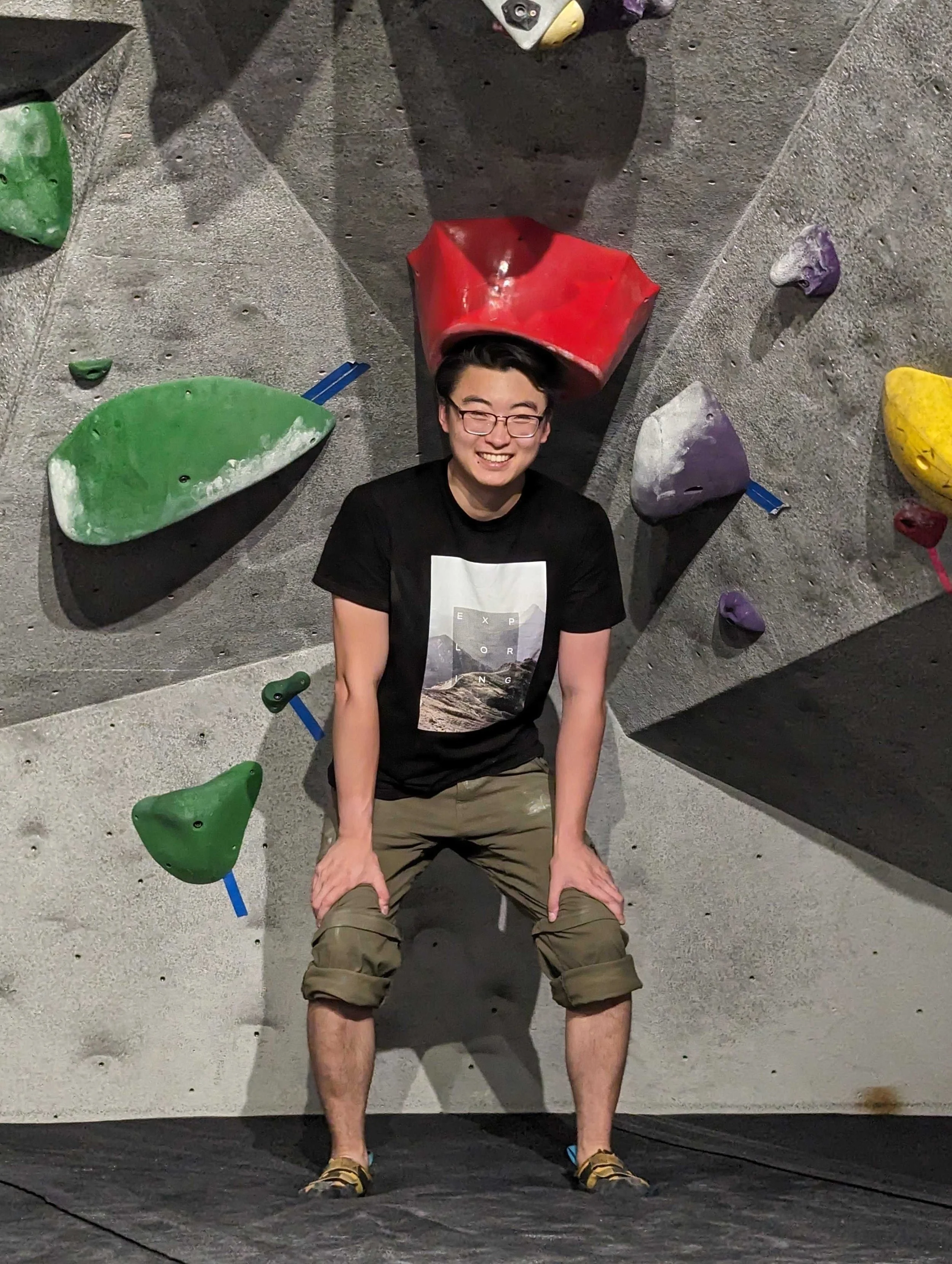
Outside of the lab, I enjoy rock climbing, gaming, and cooking.